Why Small Businesses Are Increasingly Targeted by Cybercriminals
Many small business owners believe cybercriminals only target large corporations. Unfortunately, that is no longer the case. Small and medium-sized businesses (SMEs) have become one of the biggest targets for cyberattacks because they often have fewer security measures in place while still storing valuable customer, financial, and business data.
A single cyberattack can result in financial losses, damaged reputation, operational downtime, and even legal consequences. Understanding the risks is the first step towards protecting your business.
Why Are Small Businesses Being Targeted?
Cybercriminals know that many SMEs have limited IT budgets and may not have dedicated cybersecurity teams. This makes them easier to attack than larger organisations with advanced security systems.
Small businesses also handle sensitive information such as:
- Customer personal data
- Payment information
- Employee records
- Business emails
- Financial documents
This information can be sold, stolen, or used to demand ransom payments.
Common Cyber Threats Facing Small Businesses
- Phishing Attacks
Phishing remains one of the most common cyber threats. Criminals send fake emails, messages, or websites designed to trick employees into revealing passwords, banking details, or other sensitive information.
Signs of phishing emails include:
- Unexpected attachments
- Requests for urgent payments
- Suspicious links
- Emails asking for login credentials
Employee awareness is one of the strongest defences against phishing attacks.
- Ransomware
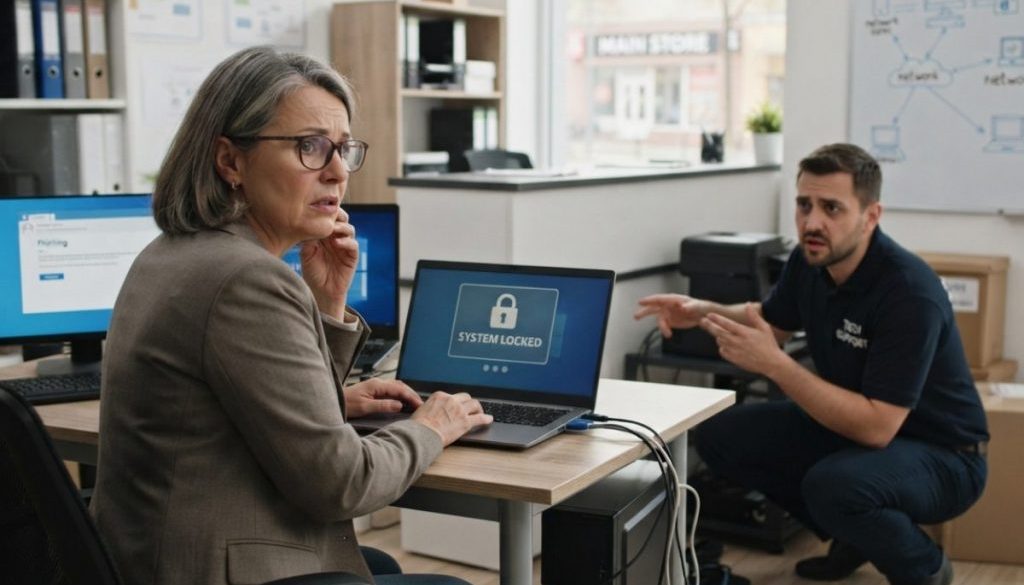
Ransomware is malicious software that encrypts business files and demands payment to restore access.
A ransomware attack can:
- Stop business operations
- Lock critical documents
- Cause data loss
- Lead to significant financial costs
Regular backups and updated security software greatly reduce the impact of ransomware.
- Weak Password Security
Weak or reused passwords make it easy for attackers to gain access to business systems.
Best practices include:
- Using long, unique passwords
- Enabling Multi-Factor Authentication (MFA)
- Using password managers
- Changing compromised passwords immediately
Strong password policies significantly improve business security.
- Unpatched Software
Software updates often include important security fixes. Delaying updates leaves systems vulnerable to known exploits that cybercriminals actively search for.
Keeping operating systems, applications, and devices updated helps close these security gaps.
Affordable Cybersecurity Strategies for SMEs
Improving cybersecurity doesn’t always require a large budget. Small businesses can greatly reduce their risk by adopting a few practical measures:
Train Employees
Regular cybersecurity awareness training helps staff recognise phishing emails, suspicious links, and social engineering attempts.
Use Reliable Antivirus and Endpoint Protection
Modern endpoint protection detects and blocks many common cyber threats before they spread through your network.
Enable Multi-Factor Authentication
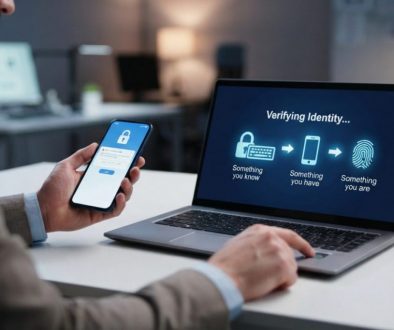
MFA adds an extra layer of security, making it much harder for attackers to access business accounts even if passwords are compromised.
Back Up Business Data
Maintain secure, regular backups stored separately from your primary systems. Test backups periodically to ensure they can be restored when needed.
Monitor Your IT Systems
Continuous monitoring helps detect unusual activity early, allowing problems to be addressed before they become serious incidents.
Partner with an IT Support Provider
Working with experienced IT professionals gives small businesses access to cybersecurity expertise without the expense of maintaining a full in-house security team.
The Cost of Ignoring Cybersecurity
Recovering from a cyberattack is often far more expensive than preventing one. Businesses may face:
- Financial losses
- Lost productivity
- Customer trust issues
- Regulatory penalties
- Business interruption
- Recovery and restoration costs
Investing in preventative cybersecurity is one of the smartest decisions any small business can make.
Protect Your Business Before an Attack Happens
Cyber threats continue to evolve, and small businesses remain attractive targets. By combining employee training, strong passwords, regular updates, reliable backups, and professional IT support, SMEs can significantly reduce their cybersecurity risks.
At RINCS IT, we provide affordable cybersecurity solutions tailored to small and medium-sized businesses. From proactive monitoring and endpoint protection to network security and ongoing IT support, our team helps keep your business secure so you can focus on growth with confidence.