Why Businesses Should Upgrade Their Legacy Systems
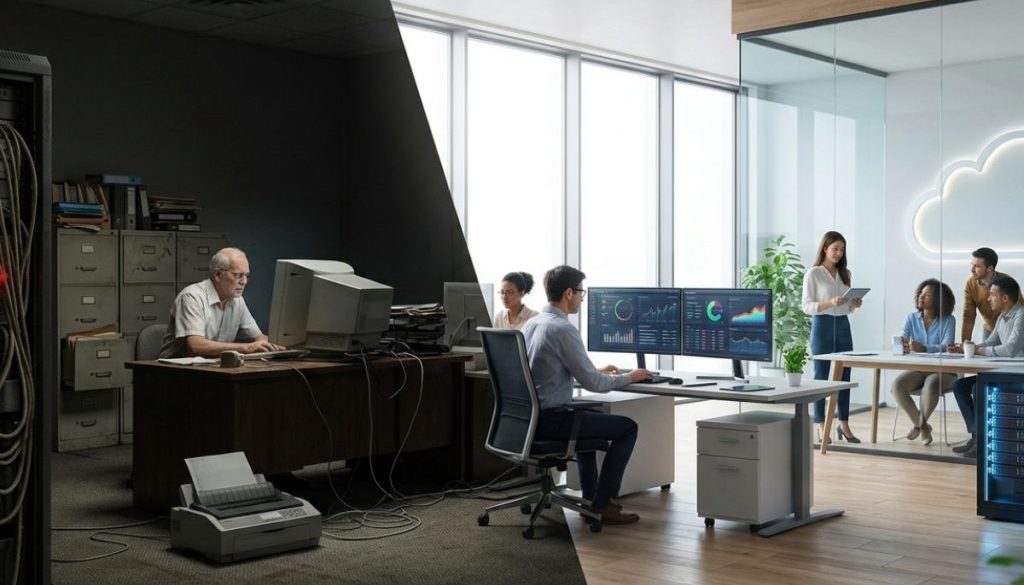
In today’s fast-paced digital world, businesses rely heavily on technology to stay competitive, efficient, and secure. However, many organizations continue to operate on legacy systems, outdated software, hardware, or applications that were once effective but now struggle to meet modern business demands. While replacing these systems may seem like a significant investment, the long-term benefits far outweigh the costs.
What Are Legacy Systems?
This is why businesses should seriously consider upgrading their legacy systems and embracing modern technology solutions.
Legacy systems are older software, hardware, or technologies that businesses still use despite newer, better options being available. These systems may still handle important daily tasks, but they often stop receiving updates, security fixes, and support from the provider. As a result, they can become harder to maintain, more expensive to run, and more vulnerable to security risks over time.
- Improved Security and Reduced Cyber Risks
One of the biggest problems with legacy systems is security. Older software and hardware often lack the latest security features and may no longer receive updates or support. This makes them easier targets for cyberattacks such as malware, ransomware, data theft, and unauthorized access.
Modern systems come with stronger security features, regular updates, and better protection against new cyber threats. By upgrading, businesses can protect their important data, keep customer information safe, and reduce the risk of expensive security problems.
- Enhanced Performance and Productivity
Legacy systems often slow down business work because they use old technology and may not be very powerful or reliable. They can crash or run slowly, which means employees may waste time waiting, fixing issues, or doing extra manual work.
Modern systems work much faster and are more reliable. They help tasks run smoothly and reduce delays. Upgrading these systems allows businesses to improve productivity and let employees focus on more important work instead of technical problems.
- Better Compatibility with Modern Technologies
As technology improves, new software and devices often do not work well with old systems. This can make it difficult for a business to use new tools, work with other companies, or improve how they operate.
Upgrading to modern systems solves this problem. It allows businesses to use new technologies like cloud services, automation tools, collaboration apps, and data analytics. This helps them work more efficiently and stay competitive.
- Increased Scalability for Future Growth
Business needs change over time, but old systems are often hard to update or expand. This makes it difficult for companies to grow, add new users, open new locations, or meet changing customer demands.
Modern and cloud-based systems are much more flexible. They can easily grow with the business and adjust when needed. Upgrading helps companies expand smoothly without major problems or disruptions.
- Lower Maintenance Costs
Some organizations avoid upgrading because it seems expensive at first. However, keeping old systems usually costs more over time.
This is because repairs become frequent and costly, replacement parts may be hard to find, and it can be difficult to hire people who know how to work with outdated technology.
Modern systems are usually cheaper to maintain. They come with better support, need fewer repairs, and help businesses save money by working more efficiently and reliably.
- Improved Data Management and Decision-Making
Good data is important for making the right business decisions. However, old systems often store information in separate places, which makes it hard to access, share, or understand.
Modern systems solve this problem by connecting data in one place and providing real-time reports and better analysis tools. This helps businesses understand their performance, make smarter decisions, and react quickly to changes in the market.
- Enhanced Customer Experience
Today’s customers expect quick and smooth service. Old systems can make customer service slow, unreliable, or even cause system failures.
Modern systems help businesses respond faster and work more smoothly. This improves the overall customer experience. When customers are happy with the service, they are more likely to stay loyal and recommend the business to others.
Steps to Modernize Legacy Systems
Successful modernization requires careful planning. Businesses should:
- Assess current systems and identify limitations.
- Prioritize critical applications and infrastructure.
- Develop a clear modernization roadmap.
- Consider cloud migration opportunities.
- Implement robust security measures.
- Partner with experienced IT professionals for guidance and support.
Conclusion
Legacy systems may have worked well in the past, but over time they can slow down growth, reduce efficiency, and create security risks. Upgrading old technology is not just a technical choice—it is an important step for the future of a business.
By updating these systems, companies can improve security, work faster, save money, provide better customer service, and stay competitive in a digital world.
Businesses that upgrade today will be better prepared for future challenges and opportunities.