
Why Website Performance Impacts Customer Trust Introduction
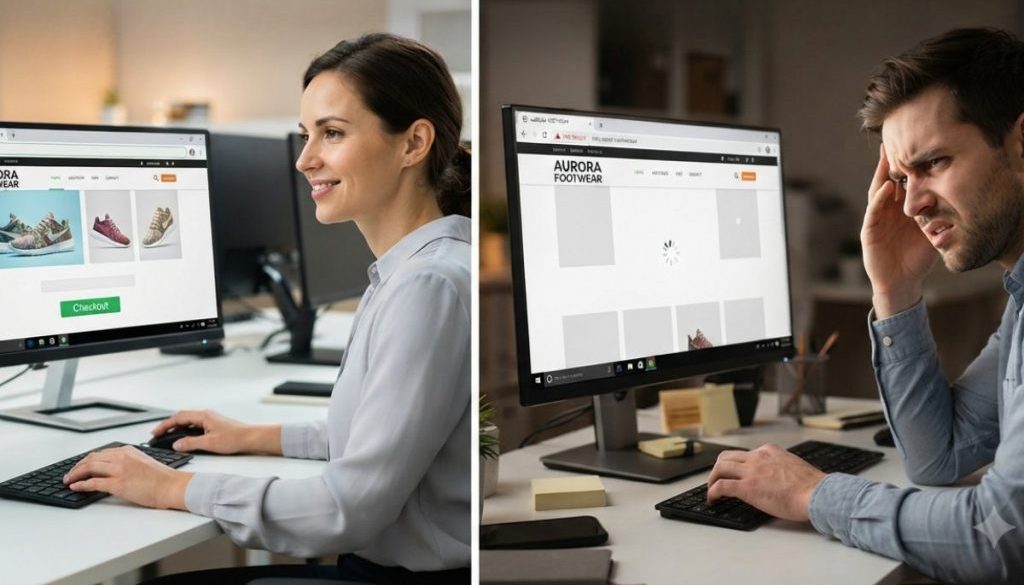
In today’s digital world, your website is often the first interaction a potential customer has with your business. Whether someone is looking for your services, browsing your products, or trying to contact you, your website creates the first impression. If it loads slowly, looks outdated, or doesn’t function properly, visitors may leave before learning what your business has to offer.
Website performance is about much more than speed it directly influences customer trust, search engine rankings, and business growth.
First Impressions Matter
Research shows that users form an opinion about a website within just a few seconds. A clean, fast, and professional website gives visitors confidence that your business is reliable and trustworthy.
On the other hand, a slow or outdated website can make customers question your professionalism, even if you provide excellent products or services.
A high-performing website helps businesses:
- Build credibility with new visitors.
- Create a professional brand image.
- Encourage users to stay longer.
- Increase the chances of customer enquiries and sales
Slow Websites Drive Customers Away
People expect websites to load quickly. If a page takes too long to open, many users will simply leave and visit a competitor instead.
A slow website can result in:
- Higher bounce rates.
- Lower customer engagement.
- Fewer enquiries and purchases.
- Reduced customer satisfaction.
Every second of delay can have a noticeable impact on your business, especially for companies that rely on online leads or e-commerce sales.
Website Speed Affects SEO
Website performance is also an important ranking factor for search engines like Google. Faster websites provide a better user experience, which helps improve search visibility.
A well-optimised website is more likely to:
- Rank higher in search results.
- Attract more organic traffic.
- Improve user engagement.
- Generate more qualified leads.
Even the best content may struggle to rank if the website is slow or poorly optimised.
Mobile Users Expect Fast Performance
Today, a large percentage of website visitors browse using smartphones and tablets. Mobile users are often on the move and expect websites to load almost instantly.
A responsive, mobile-friendly website should:
- Load quickly on all devices.
- Display correctly on different screen sizes.
- Provide simple navigation.
- Make it easy to contact your business or complete purchases.
A poor mobile experience can quickly lead to lost customers.
Outdated Websites Reduce Customer Confidence
Website performance isn’t only about loading speed. An outdated design, broken links, old information, or security warnings can damage your business’s reputation.
Customers may hesitate to contact or purchase from a business if they notice:
- Old or inaccurate content.
- Broken pages or missing images.
- Difficult navigation.
- Expired security certificates.
- Poor mobile compatibility.
Keeping your website updated demonstrates that your business is active, professional, and committed to delivering a positive customer experience.
Security Builds Trust
Website security plays a major role in customer confidence. Visitors want to know that their personal information is protected.
Regular updates, secure hosting, SSL certificates, and ongoing maintenance help protect both your business and your customers from security risks.
A secure website also contributes to stronger search rankings and increased customer trust.
Better Performance Leads to Higher Conversions
Every improvement in website performance can positively affect your conversion rates. When visitors enjoy a smooth browsing experience, they are more likely to:
- Submit enquiry forms.
- Call your business.
- Book appointments.
- Purchase products or services.
- Return in the future.
A fast, reliable website removes barriers and encourages visitors to take action.
Simple Ways to Improve Website Performance
Businesses can improve website performance by:
- Optimising images and media files.
- Choosing reliable web hosting.
- Removing unnecessary plugins and scripts.
- Regularly updating website software.
- Enabling browser caching.
- Monitoring website speed and performance.
- Ensuring the website is fully mobile responsive.
Regular maintenance keeps your website running efficiently and helps deliver the best possible experience for visitors.
Conclusion
Your website is one of the most important parts of your business. A fast, secure, and up-to-date website helps visitors have a better experience, builds trust, improves your search engine rankings, and encourages more people to become customers.
Investing in your website means investing in your business’s future. When your website is fast, easy to use, and regularly maintained, it creates a great first impression and gives customers confidence in your business.
At RINCS IT, we help businesses build and maintain websites that perform at their best. From website design and development to performance optimisation, regular maintenance, and technical support, we make sure your website runs smoothly so you can focus on growing your business.