Zero Trust Security: A Smarter Approach to Protecting Modern Businesses

In today’s digital-first world, businesses are no longer protected by a simple office firewall. Remote work, cloud services, mobile devices, and third-party applications have expanded the attack surface dramatically. Traditional “trust but verify” security models are no longer enough.
This is where Zero Trust Security comes in a smarter, more resilient approach to protecting modern businesses.
What Is Zero Trust Security?
Zero Trust
is a cybersecurity framework based on one core principle:
Never trust, always verify.
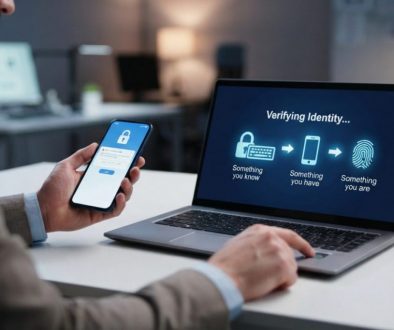
Instead of assuming that users or devices inside a network are safe, Zero Trust requires continuous verification of every user, device, and application, regardless of location. Access is granted only when identity, context, and security posture are confirmed.
Why Traditional Security Models Fall Short
Traditional security mainly relies on firewalls to protect the network. Once someone logs in, they are often trusted too much and given wide access. This creates several risks:
- If a hacker steals login details, they can move freely inside the network
- Harmful actions by insiders may not be noticed
- Remote workers may connect from unsafe or unsecured networks
- Cloud and SaaS systems don’t sit inside the old “office network” anymore
Zero Trust fixes these problems by not trusting anyone automatically. Every user and device must be verified every time they try to access something.
Core Principles of Zero Trust Security
1. Identity-Based Access Control
Access is granted based on who you are, not where you are. Multi-factor authentication (MFA), strong identity verification, and role-based access ensure users only access what they truly need.
2. Least Privilege Access
Users and devices receive the minimum level of access required to perform their tasks. This dramatically limits the damage caused by compromised accounts or insider misuse.
3. Continuous Verification
Zero Trust continuously evaluates user behavior, device health, and login context. If something looks suspicious, access can be restricted or revoked instantly.
4. Device and Endpoint Security
Every device accessing business systems must meet defined security standards. This is critical in a remote and hybrid work environment where employees use laptops, mobiles, and tablets outside the office.
Securing Remote and Hybrid Workforces
Remote work is now a permanent part of modern business. Zero Trust ensures that employees can work securely from anywhere by:
- Verifying identity before every access request
- Enforcing MFA across cloud and on-premise systems
- Monitoring unusual login behavior or locations
- Protecting data even on unmanaged or external networks
This approach enables flexibility without compromising security.
Why Zero Trust Matters for Modern Businesses
Cyber threats are more advanced, frequent, and costly than ever. Zero Trust offers businesses:
- Stronger protection against data breaches
- Improved visibility and control
- Reduced risk from compromised credentials
- Better compliance with security standards
- A scalable security model for cloud growth
This approach enables flexibility without compromising security.
How RINCS IT Supports Zero Trust Security
At RINCS IT Services, we help businesses stop waiting for security problems and start preventing them. Our cybersecurity solutions use Zero Trust principles and are customized to fit your company’s size, industry, and systems.
Final Thoughts
Zero Trust is not just a technology it’s a mindset. As businesses continue to evolve, security must adapt with them. By adopting Zero Trust Security, organisations can protect their data, empower their workforce, and stay resilient in an ever-changing threat landscape.
RINCS IT Services is committed to helping businesses build secure, scalable, and future-ready IT environments where trust is earned, not assumed.