The Cost of Neglecting IT Maintenance: Lessons for Small Businesses

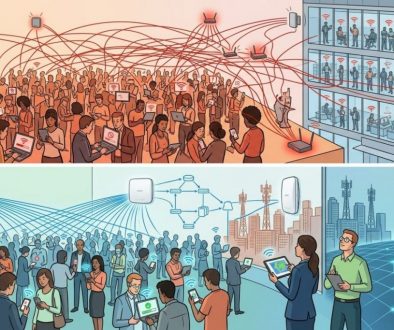
A professional, conceptual image for a business blog titled ‘The Cost of Neglecting IT Maintenance’. The scene features a split-screen or ‘before and after’ contrast. On the left: a dark, chaotic office scene with a broken server, a ‘System Error’ warning on a monitor, and a stressed business owner. On the right: a bright, modern, organized office with glowing blue digital shields, smooth data flow graphics, and a calm, productive atmosphere. The style is clean, corporate, and high-tech with a focus on business continuity and cybersecurity.
1. Unplanned Downtime: A Silent Revenue Killer
When IT systems fail unexpectedly, productivity comes to a halt. Employees can’t access files, emails stop working, and customer services are disrupted. Even a few hours of downtime can result in:
- Lost sales and missed opportunities
- Delayed projects and frustrated staff
- Damage to customer trust and brand reputation
Without regular system monitoring and updates, small issues often go unnoticed until they escalate into major outages.
Proactive IT maintenance helps identify and resolve potential failures before they impact daily operations.
2. Increased Risk of Security Breaches
Cybercriminals often target small businesses, knowing they may lack strong security controls. Outdated software, unpatched systems, and weak network monitoring create easy entry points for attacks such as:
- Ransomware
- Data breaches
- Phishing and malware infections
The cost of recovering from a cyber incident both financially and reputationally can be devastating. In some cases, small businesses never fully recover.
Regular IT maintenance ensures security patches, firewall updates, and continuous monitoring are always in place, significantly reducing cyber risks.
3. Higher Long-Term IT Costs
Skipping routine maintenance often leads to emergency repairs, which are far more expensive than planned support. Reactive IT typically involves:
- Urgent troubleshooting fees
- Replacement of severely damaged hardware
- Extended downtime costs
Skipping routine checks often leads to higher costs in the future.
A proactive IT support model spreads costs predictably and prevents expensive surprises.
4. Outdated Systems Reduce Efficiency
Technology evolves quickly. Businesses running outdated operating systems, hardware, or applications often face:
- Slower performance
- Compatibility issues with new software
- Limited scalability
This not only affects productivity but also puts the business at a competitive disadvantage.
Ongoing IT maintenance keeps systems up to date, optimised, and aligned with business growth.
5. Compliance and Data Loss Risks
Many industries require businesses to follow data protection and compliance standards. Poorly maintained systems increase the risk of:
- Data loss due to system failures
- Non-compliance with regulations
- Legal and financial penalties
Routine backups, system audits, and monitoring are essential to protect critical business data.
How Proactive IT Support Makes the Difference
At RINCS IT, we believe prevention is better than a cure. Our proactive IT maintenance and monitoring services are designed to:
- Detect and resolve issues before they disrupt your business
- Strengthen security through regular updates and monitoring
- Improve system performance and reliability
- Reduce long-term IT costs with planned support
By partnering with a proactive IT provider, small businesses can focus on growth while leaving technology management in expert hands.
Final Thoughts
Neglecting IT maintenance may seem harmless, but the hidden costs can quickly add up downtime, security breaches, inefficiency, and unexpected expenses. For small businesses, proactive IT maintenance isn’t a luxury; it’s a necessity.
Investing in regular IT support today can save your business from costly disruptions tomorrow.
Want to protect your business from avoidable IT risks? RINCS IT is here to help.